March 12, 2026
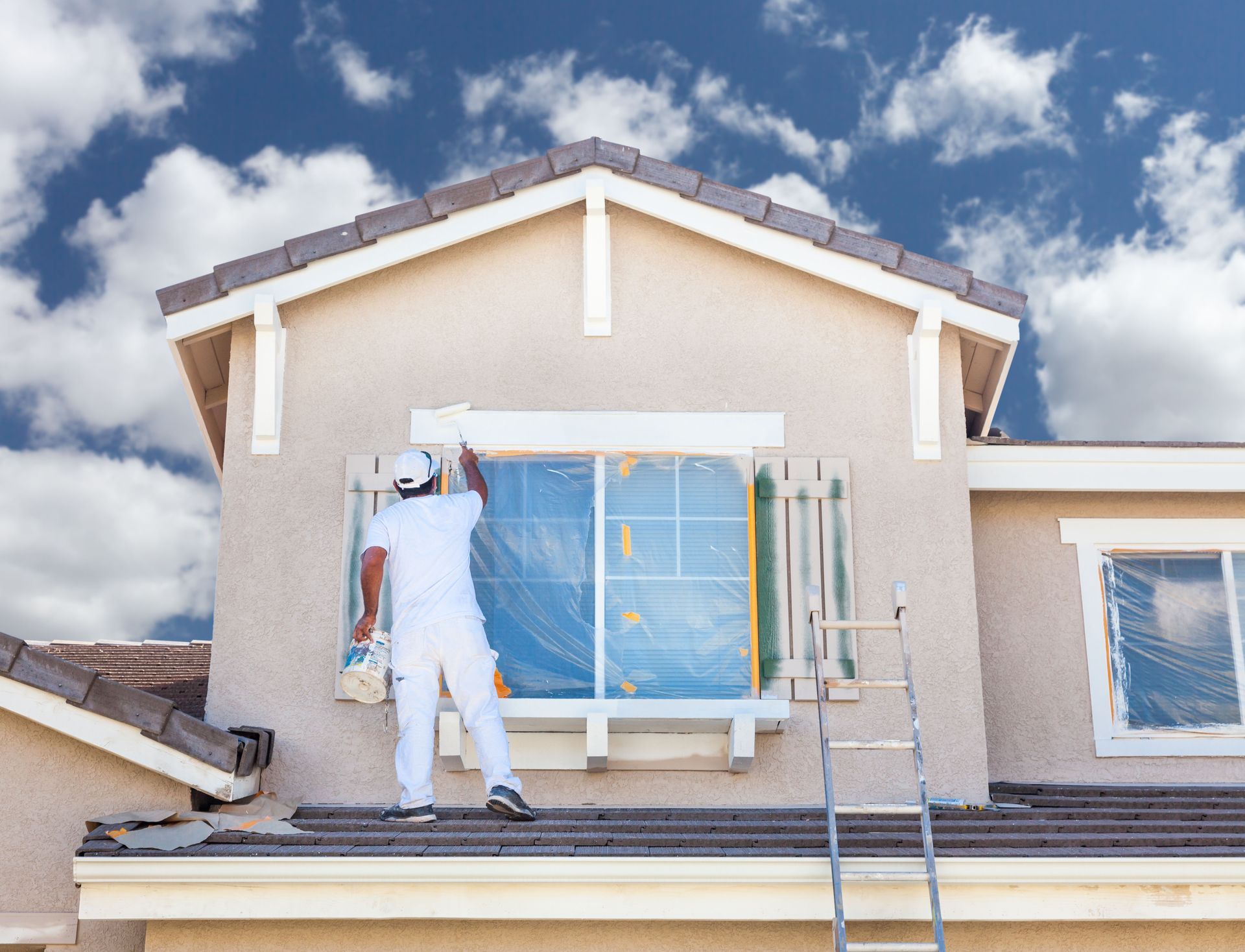
Understanding the nuances of an exterior painting project is crucial for achieving long-lasting and visually appealing results. Before immersing yourself in this transformative endeavor, there are several key factors to contemplate that can influence the outcome of your project. Many homeowners choose to work with professional painting contractors to ensure each stage is handled with precision and expertise.
1. Assessing the Current Condition
The integrity of the surface you are about to paint significantly impacts the final finish and longevity of the paint job. To begin, conduct a comprehensive inspection of the exterior walls, looking for signs of peeling, blistering, or chalking paint. These issues indicate underlying problems that need addressing before applying a new coat of paint. Use this step as an opportunity to spot structural issues or compromised areas that might need professional repairs. Experienced painting contractors can often identify subtle damage that homeowners might overlook. Ensuring the surface is stable and sound guarantees that the paint adheres correctly and provides a durable finish.
In addition to surface integrity, identifying any damage or necessary repairs is critical before starting the painting process. Check for issues such as rotted wood, rust, or damaged siding that may require specific treatment or replacement. Addressing these repairs ahead of time prevents future complications and helps maintain the structural integrity of your home. Repairing these issues can also improve energy efficiency by sealing leaks and enhancing insulation. Not only does this improve the safety and comfort of your home, but it also provides a better base for your new paint application. Reputable painting contractors often include minor repairs as part of their preparation services.
If your home was built before 1978, it is essential to test for lead paint due to the potential health hazards it poses. Lead, a toxic metal previously used in paint, can cause various health issues, particularly in children and pregnant women. Acquire a lead paint testing kit or hire professionals to conduct the test if you suspect its presence. If lead paint is found, remediation must be conducted by certified professionals who can safely remove or encapsulate the lead hazard. This crucial step protects your family's health and ensures compliance with safety regulations, something qualified painting contractors are trained to manage responsibly.
2. Choosing the Right Paint Type
Choosing between oil-based and latex paint is critical for aligning with your project's goals and requirements. Latex paint offers flexibility, quick drying times, and easy cleanup with water, making it a popular choice for most residential exterior applications. Alternatively, oil-based paint is known for its durability and ability to withstand wear and tear, though it requires mineral spirits for cleanup. Evaluate your specific needs and the surface type to determine which option best suits your project. In many cases, painting contractors recommend latex paint due to its eco-friendliness and ease of use.
Weather resistance is an essential property of exterior paint, impacting its performance and lifespan against environmental elements. Factors such as UV radiation, humidity, and temperature fluctuations can compromise the paint's integrity over time. High-quality paint formulated for weather resistance can better withstand these challenges, retaining its color and adhesion for longer periods. Consider local climate conditions when selecting a paint type to ensure optimal protection and durability. Investing in weather-resistant paint ultimately reduces the frequency of repainting, saving time and cost in the long run.
The finish of your paint can dramatically influence the overall look and feel of your home. Options include matte, eggshell, satin, semi-gloss, and gloss finishes, each offering unique aesthetic and functional qualities. Flat and matte finishes hide imperfections but are less durable, while gloss options are easy to clean and resistant to moisture but highlight surface flaws. Choose a finish that aligns with your priorities, such as low-maintenance or elegance, and consider the architectural style of your home. A well-thought-out selection enhances the visual appeal and appropriateness of the exterior paint job.
3. Selecting Color Schemes
Color selection is a vital aspect of your exterior painting project, as it influences your home's curb appeal and market value. Harmonizing with the surrounding environment ensures that your home stands out without clashing with its surroundings. Consider elements such as landscape features, nearby buildings, and natural elements when developing your color palette. According to Opendoor, designers recommend using no more than three colors to achieve a balanced and cohesive appearance. Carefully selected colors can complement the natural beauty around your home, enhancing its visual connection with the environment.
When choosing colors, the architectural style of your home can provide essential guidance. Different architectural eras and styles have distinctive color schemes traditionally associated with them, from Victorian pastels to modern neutrals. Consider maintaining these traditional color palettes or incorporating contemporary trends that respect the original architectural integrity. By aligning your color choice with your home's style, you preserve its character while potentially increasing its historical value. A color scheme that reflects architectural heritage can lend your property an authentic and unified appearance.
4. Preparing the Surface
A clean surface is critical for achieving a flawless, durable paint finish. Begin the preparation process with a thorough cleaning, using techniques like power-washing to remove dirt, grime, and loose paint. Ensuring the surface is free from contaminants promotes better paint adhesion and longevity, decreasing the likelihood of early failure. Exercise caution with pressure settings to avoid damaging delicate or old surfaces, which may require gentler cleaning methods. Professional painting contractors understand the appropriate techniques for different materials, ensuring safe and effective preparation.
After cleaning, scraping, and sanding are necessary steps to prepare your surface for a new paint application. Scrape away any loose, chipped, or peeling paint to create a smooth, even foundation for the new coat. Sanding aids in removing any remaining roughness and provides a suitable texture for the primer to adhere to, ensuring optimal bonding between layers. This meticulous attention to preparation detail enhances the overall finish's quality, leading to a more polished and professional outcome. Proper surface preparation is key to a long-lasting, high-quality exterior paint finish.
Priming is an essential step in the exterior painting process, facilitating strong adhesion between the new paint and the surface. A high-quality primer seals the surface and provides a consistent base layer, reducing the need for additional paint coats. Choose primers suitable for the surface material, whether it be wood, masonry, or metal, to maximize performance. By using a primer, you improve the paint job's endurance and appearance, extending its life and enhancing its resistance to environmental stressors. Applying primer is a vital preparatory step that ensures a professional and lasting finish.
5. Timing and Weather Considerations
The timing of your exterior painting project plays a pivotal role in ensuring a quality finish and longevity. Different seasons present various challenges, with summer typically being optimal due to warm temperatures and low humidity, promoting ideal paint curing conditions. However, extreme heat can cause paint to dry too quickly, whereas cold temperatures in winter can hinder comfort and impede paint application. Evaluate seasonal weather patterns to schedule your project during a period with moderate, stable conditions. Planning with an understanding of seasonal effects can optimize project outcomes, and experienced painting contractors can help determine the best window for your specific location.
Humidity levels significantly impact the success and quality of your painting project. High humidity can prolong drying times and increase the risk of blistering, while low humidity may lead to premature drying and uneven finishes. Aim for days when humidity ranges between 40% and 70% to achieve optimal results. Tools like hygrometers or weather reports can provide valuable data for making informed scheduling decisions. Preemptive consideration of humidity levels ensures that your exterior paint job holds up over time.
Embarking on an exterior painting project requires careful planning and foresight. By considering each critical factor involved, homeowners can ensure a successful and beautiful transformation that enhances their property's curb appeal, while also safeguarding its structural integrity for years to come. For more information about the services that we offer, reach out to our incredible team at American Painting Inc.