December 12, 2025
Commercial painting plays a crucial role in the aesthetics and functionality of offices, warehouses, and retail spaces. One of the noteworthy statistics highlighting the scale of painting in both residential and commercial sectors is the fact that Americans use over 1.4 billion gallons of paint each year, according to Amra and Elma, an online marketing resource. This staggering figure underscores the widespread dependency on quality paint products and services. Within commercial settings, the choice of paint and method of application involves a careful consideration of factors such as durability, environmental impact, and regulatory compliance. An effective paint job not only enhances the visual appeal but also serves practical purposes, such as protecting surfaces and prolonging the life of infrastructure. Let's take a moment to explore the significance of commercial painting and its impact on various business environments.
Understanding the Basics of Commercial Painting
Definition and Scope
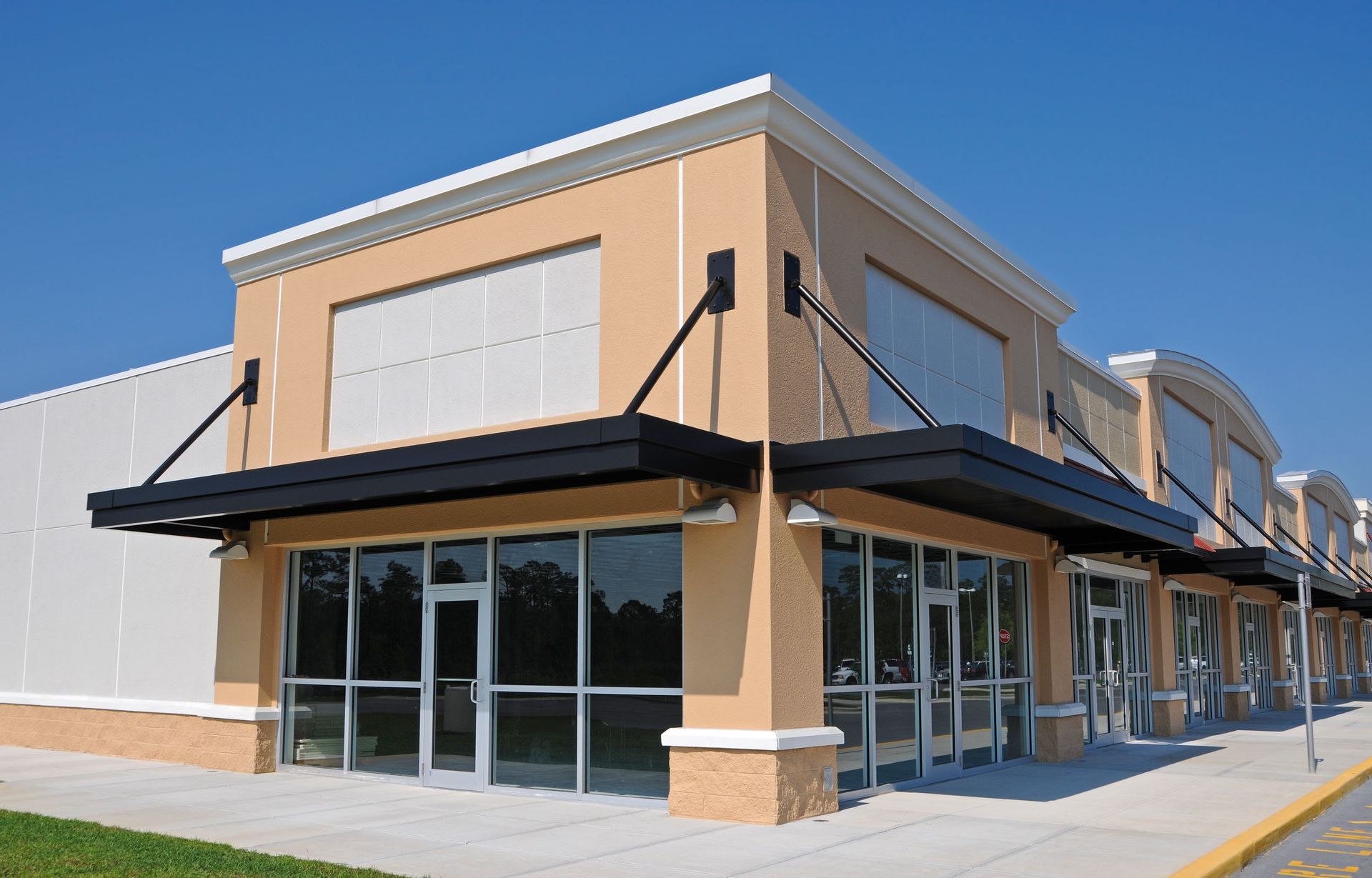
Commercial painting refers to the professional application of paint and coatings on large-scale projects, typically including offices, warehouses, and retail spaces. Unlike residential painting, it often involves complex preparation and application techniques to cater to extensive surfaces and high-traffic areas. Its scope extends to both interior and exterior spaces, with a focus on durability, compliance, and aesthetic appeal. Businesses usually opt for commercial painting services to ensure their premises not only look good but also comply with industry standards. This ensures that facilities are safe, efficient, welcoming, and aligned with a company's brand identity.
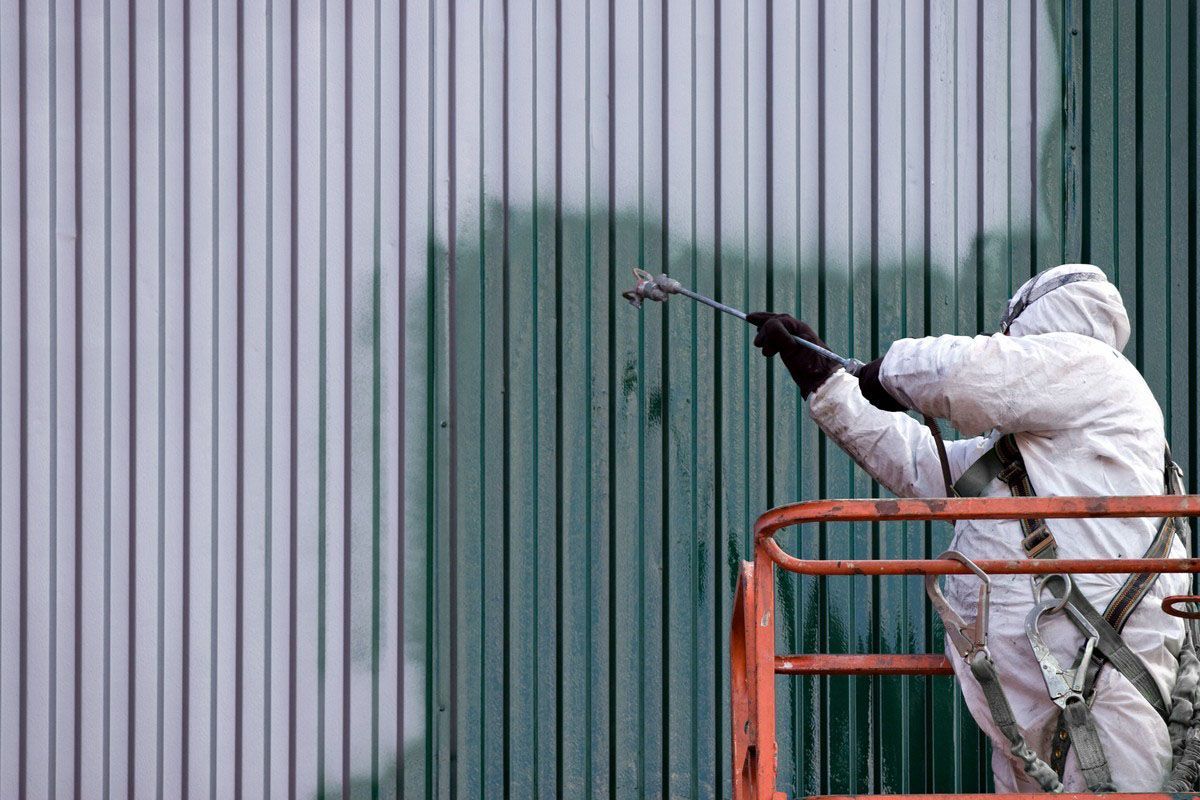
The commercial painting process begins with a thorough assessment of the site to determine the structure's specific needs. Considerations include the type of surfaces to be painted, desired longevity, and environmental exposure, such as weather conditions, if external walls are included. This analysis helps in selecting the right paint type and application methods to achieve the desired result. Additionally, professionals are adept at handling equipment like scaffolding, lifts, and other machinery required to reach difficult areas, ensuring a thorough and uniform finish. Therefore, the scope of commercial painting often necessitates a higher degree of expertise and planning than residential projects.
Differences Between Commercial and Residential Painting
While both commercial and residential painting share a common purpose, which is to enhance aesthetic appeal and protect surfaces, their approaches and requirements differ significantly. Residential painting typically involves smaller dwellings with a focus on individual preferences and home aesthetics. It may include personalized color schemes and less rigorous adherence to strict timelines and regulatory standards. In contrast, commercial painting demands a more strategic approach due to the scale and scope of the projects involved. The primary goal is to align the painting work with business objectives, including branding, lighting, and safety, accommodating a larger array of functional requirements.
Types of Paints Used in Commercial Settings
In commercial settings, the selection of paint type is critical to the success and longevity of a project. Different environments, from offices to warehouses, require specific paint characteristics aligned with their use. For example, oil-based paints are often chosen for their durability in high-traffic or damp areas like restrooms and industrial kitchens. Alternatively, water-based latex paints are favored for their quick drying times, lower odor, and easier cleanup, making them suitable for office interiors where downtime needs to be minimized. Selecting the right type of paint involves balancing factors like finish, durability, environmental conditions, and drying time.
In warehouses and retail spaces, formulations like epoxy coatings or urethane are applied due to their robustness against wear and tear from machinery and foot traffic. These paints provide a protective layer that withstands impacts, spills, and abrasion, essential for maintaining safety and efficiency in highly active environments. Additionally, advances in paint technology have led to the advent of products with enhanced properties, such as anti-microbial coatings for healthcare settings or anti-static treatments beneficial in facilities handling sensitive electronic components. Each type of paint has a specific set of characteristics that need to be assessed in the context of the intended application.
Key Industry Standards
The commercial painting industry is governed by numerous standards and regulations designed to ensure safety, quality, and environmental compliance. Standards are established by organizations such as the EPA and OSHA, setting guidelines on aspects ranging from VOC levels in paints to workplace safety practices. Complying with these regulations minimizes legal liabilities and enhances the overall success of painting projects. Observance of such standards also echoes a business's commitment to high-quality work and safe, sustainable operations, fostering a trustworthy image among clients and employees.
Preparing for a Commercial Painting Project
Assessing Your Needs
When preparing for a commercial painting project, the first step business owners should take is a thorough assessment of their current needs. This assessment involves understanding the specific goals of the painting job, such as enhancing aesthetics, improving functionality, or complying with new regulations. Business owners should consider factors such as the condition of existing surfaces, the desired durability of the paint, and how the color palette aligns with the company's brand identity and environment. Conducting a needs assessment not only clarifies the scope but also aids in more accurate budgeting and scheduling. By having a clear understanding of the project's objectives, businesses can ensure that the outcome effectively meets their expectations and operational demands.
Budgeting for Painting Projects
Budgeting effectively for a commercial painting project is crucial to its success. Establishing a realistic financial plan involves a comprehensive understanding of all potential costs, including materials, labor, and possible contingencies. Business owners should start by obtaining detailed estimates from multiple contractors to ensure competitive pricing and services that match their needs. It's important to account for both direct and indirect costs, such as equipment rentals, storage solutions for furniture during painting, and any additional improvements that may be needed to prepare surfaces adequately. Proper budgeting minimizes the risk of overspending and helps maintain the project within its financial boundaries.
Selecting the Right Contractor
Choosing the right contractor is pivotal for the successful execution of any commercial painting project. A qualified contractor brings expertise, experience, and a track record of delivering high-quality work within stipulated timelines and budgets. When assessing potential contractors, business owners should thoroughly review their portfolio of past projects, seeking examples similar in scale and scope to their own requirements. References from previous clients can offer insights into the contractor's reliability, craftsmanship, and problem-solving capabilities, all of which are critical within commercial contexts.
Project Planning and Timeline
The success of a commercial painting project heavily depends on strategic planning and precise timeline management. Breaking down the project into clearly defined phases facilitates manageable steps towards completion and allows all stakeholders to align on expectations and responsibilities. Initial planning should involve comprehensive consultations with the selected contractor to establish a detailed work calendar that reflects both the business's operational needs and the project's technical requirements. A well-structured timeline reassures employees and clients that business disruption will be minimal, particularly when painting is scheduled during non-work hours or quieter periods.
Safety and Compliance Considerations
Safety and compliance are integral components of any commercial painting project, ensuring the well-being of workers and the integrity of the workspace. Adherence to safety protocols is non-negotiable, covering everything from the proper usage of scaffolding and ladders to the management of hazardous materials like solvents and chemicals. All personnel involved, including contractors and employees, should have a clear understanding of safety procedures and emergency protocols to mitigate risks effectively. Incorporating comprehensive safety measures not only protects human resources but also minimizes the risk of property damage and associated liabilities.
Commercial painting brings together aesthetics, protection, and long-term value, making it an essential investment for businesses of every size. From understanding paint types to selecting the right contractor and planning a safe, efficient workflow, each step contributes to a smoother process and stronger results. By approaching a painting project with clear goals, thoughtful preparation, and a commitment to quality, businesses can work with the professionals at American Painting Inc to create environments that support productivity, reflect their brand, and stand the test of time. Reach out to us today to get started with a free estimate!